My trip to Cuba in 2019 was a mix of beautiful views, friendly people, and interesting experiences. The island has a lot of charm, but also some things that travelers should know before visiting – especially when it comes to prices and tourist areas.
Beautiful Landscapes and Beaches

Cuba has many beautiful places to explore. The countryside is full of green valleys, small farms, and old colonial towns. The beaches are just as impressive, with white sand, clear blue water, and palm trees everywhere.
Varadero, Cayo Coco, and Playa Ancón are well-known beaches and great for swimming or relaxing. But if you prefer quieter spots, you can also find smaller, less crowded beaches that are just as nice and usually cheaper to visit.
The Classic Cars and Their History
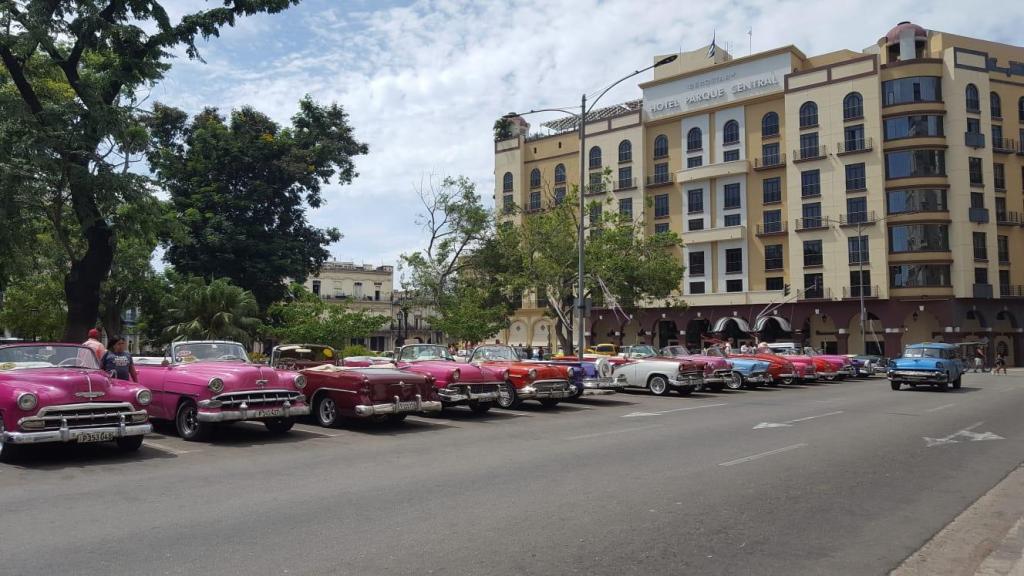
One thing that stands out immediately in Cuba is the number of old American cars. You’ll see colorful Chevrolets, Buicks, and Fords from the 1940s and 1950s driving all around.
Because of trade restrictions after the Cuban Revolution, Cubans weren’t able to import new cars for decades. Instead, they became experts at fixing and maintaining the ones they already had. Many of these classic cars are still used every day – some as taxis for tourists. Taking a ride in one is a fun experience, but make sure to agree on the price before you get in.
Friendly and Welcoming People
The people in Cuba are very friendly and social. Even if you don’t speak much Spanish, it’s easy to connect with locals. They’re usually open to conversations and happy to share their stories. Music and dancing are a big part of life in Cuba, and you’ll hear live music in bars, on the streets, and in small restaurants almost everywhere you go.
Taxis and Getting Around
Taxis are one of the easiest ways to get around in Cuba, but prices can vary a lot. Many drivers start with a high price when they see tourists, so it’s best to ask a few drivers before choosing one or to bargain a little. That said, some taxi drivers are very friendly and will suggest good local places to eat or visit – sometimes those tips are worth more than the ride itself.
Tourist Prices and How to Avoid Overpaying
When I visited in 2019, there were two currencies – the Cuban peso (CUP) for locals and the Cuban convertible peso (CUC) for tourists. Everything priced in CUC was a lot more expensive, so tourists often ended up paying higher prices.
Now Cuba has only one official currency, but prices in tourist areas are still high. In many restaurants, bars, and souvenir shops near tourist spots, you’ll notice that the prices are aimed at foreign visitors.
If you want to spend less, it’s better to go to less touristy places where locals eat and shop. You’ll find better prices and often more authentic food and experiences. Always ask about prices before ordering, and don’t be afraid to bargain or check a few places first. It’s common for people to ask for higher prices from tourists, so comparing or negotiating can save you quite a bit. Sometimes it does feel like tourists are seen as “walking wallets,” but being polite and aware helps a lot.
Hotel Stays in Cuba
During my trip, I stayed at two different hotels, each offering a unique experience. First, I stayed at the Meliá Habana, which I would rate 4 out of 5. The hotel was clean, comfortable, and nice overall, but it wasn’t particularly special. Its location is a bit outside the city center, so getting to central Havana required a decent drive. While we enjoyed the rides, it could get a bit expensive if you’re staying for a long time.
The second hotel was Sol Palmeras, which I would rate 3 out of 5. It’s located on the Hicacos Peninsula, a narrow strip of land extending into the sea that is full of resorts and hotels in the popular Varadero area. This makes it ideal if your main goal is to enjoy the beach. Sol Palmeras is a large resort with various activities available for guests, including water sports and entertainment programs. The bungalow we stayed in was decent, with everything we needed. However, the food wasn’t always fresh, and the free alcoholic drinks were of poor quality. Overall, Sol Palmeras is best suited for travelers who want easy access to the sea and resort-style activities, but for food, drinks, and comfort, I would consider trying another hotel on a longer stay.
Souvenirs and Cigars in Cuba
Cuba is a great place to pick up souvenirs, and the variety is impressive. In cities like Havana, Trinidad, and Varadero, you’ll find markets and shops selling handmade crafts, paintings, jewelry, small musical instruments, and colorful items made from recycled materials. Prices can be higher in tourist areas, so it’s worth looking around or bargaining politely when possible.
Of course, Cuban cigars are the most famous souvenirs. Many farms and factories are open to visitors, allowing you to see the entire process – from growing and drying the tobacco leaves to rolling and packaging the cigars by hand. Visiting these places is both educational and memorable, and you can often buy cigars directly from the source, which ensures freshness and authenticity.
Some visitors prefer to combine souvenir shopping with cigar experiences. For example, while exploring local markets, you might find handcrafted wooden boxes, paintings of classic cars, or musical instruments alongside small cigar shops. Many shops offer a mix of items, so you can pick up a few keepsakes while also learning about Cuba’s famous tobacco culture.
When buying cigars or souvenirs, it helps to know a few tips: check quality before purchasing, compare prices in multiple shops, and don’t be afraid to ask for a small discount. Local vendors are used to tourists, so polite bargaining is normal. For cigars, it’s best to buy from recognized shops or directly at farms or factories to ensure authenticity.
Visiting cigar farms or factories also gives insight into the Cuban lifestyle and traditions. Many of the farms are family-run, and seeing the workers hand-rolling cigars, sorting leaves, and managing the drying barns is a glimpse into a craft that has been passed down for generations. Combining this experience with a bit of souvenir shopping makes for a rich, memorable visit.
Overall, Cuba offers plenty of opportunities to bring home meaningful souvenirs, whether it’s a handmade craft, a bottle of rum, a local painting, or a box of cigars. Exploring markets and visiting cigar producers lets you experience both the culture and creativity of the island firsthand.
Final Thoughts
Cuba is a unique country with a mix of natural beauty, history, and culture. The beaches are beautiful, the old cars are impressive, and the people are warm and welcoming. But it’s also important to be smart about where and how you spend your money.
If you explore beyond the main tourist areas, you’ll not only save money but also get a more real and local experience of the country. Overall, Cuba is definitely worth visiting – just go with an open mind and a bit of awareness.
 Journeys & Discoveries
Leave a comment